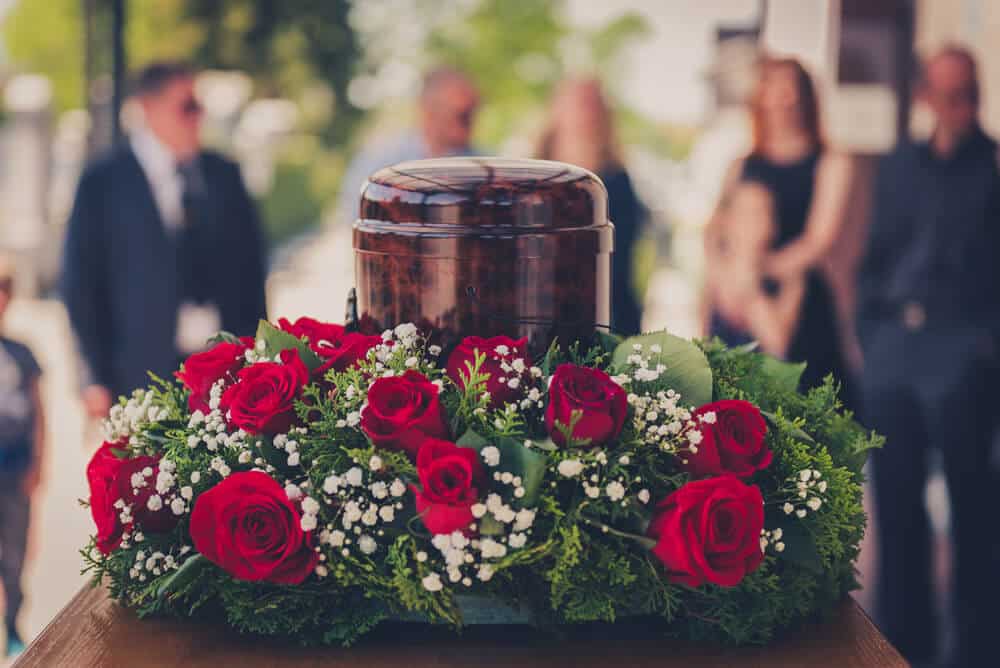

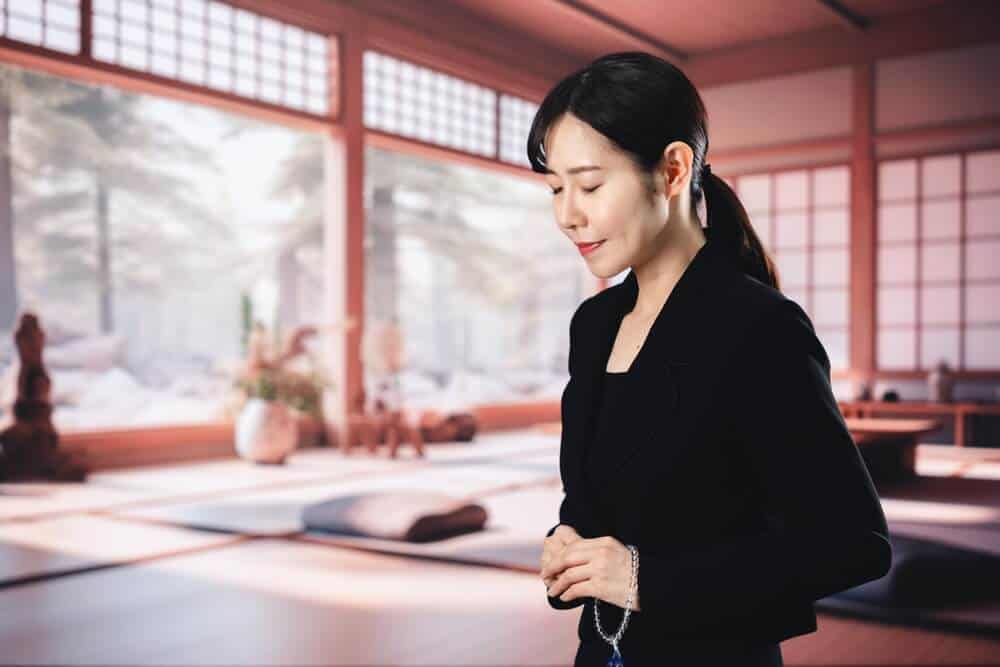
When a death occurs, families often turn to the traditions that have shaped their history, beliefs, and identity. Today’s cremation options make it possible to blend multicultural memorial traditions with the convenience, affordability, and flexibility modern families expect. Honoring a deceased loved one means respecting cultural or religious customs, unique funeral rituals, and time-honored funeral traditions passed down through generations.
This guide explores seven meaningful ways to honor your deceased’s heritage during a memorial service, drawing inspiration from different cultures, diverse customs, and deeply meaningful practices from around the world. These ideas help families create services that offer comfort, connection, and profound respect, all while embracing the simplicity of cremation.
Multicultural Memorial Traditions
- Multicultural Memorial Traditions Offer Meaningful Personalization: Families can honor their heritage by incorporating rituals, symbols, and cultural elements into modern cremation services.
- Cultural and Religious Customs Bring Comfort: Whether through prayers, music, attire, or ceremonial practices, these traditions help families feel connected to their history and beliefs.
- Funeral Rituals Can Blend With Cremation: From memorial altars to traditional readings, cultural practices integrate seamlessly with cremation-based services, offering both flexibility and authenticity.
- Heritage-Based Ceremonies Strengthen Family Bonds: When family members participate in rituals or storytelling, it eases the grieving process and supports emotional healing.
- Every Culture Has Something to Share: Drawing on diverse customs from around the world allows families to honor a deceased loved one in a way that reflects identity, tradition, and profound respect.
7 Ways to Honor Your Heritage Through Multicultural Cremation Traditions
Even if cremation is new to your family, you can incorporate traditional aspects of your family’s remembrance rituals into a cremation service. Here are some ideas for incorporating burial traditions into a memorial service.
1. Incorporate Cultural Symbols and Rituals in the Memorial Service
Whether families gather for an intimate gathering or a larger ceremony, incorporating meaningful cultural rituals can create a comforting atmosphere. Some families choose readings, prayers, music, or symbolic items used in funeral rites. These specific customs help honor a person’s life while respecting long-standing funeral customs handed down through generations.
For example:
- Many Buddhist traditions include chanting or offering incense during a Buddhist funeral to guide the soul toward peace.
- A Jewish practice involves wrapping the deceased in a fresh cloth as a gesture of humility and respect.
- In many families, wearing black clothing remains a common practice that symbolizes mourning.
These timeless gestures offer a rich tapestry of meaning and connection.
2. Create a Cultural Memorial Display or Altar
Memorial displays allow loved ones to share stories, share memories, and pay tribute to the individual’s life. In Mexican families, Día de los Muertos altars often feature colorful displays, including candles, photographs, and food offerings, all meant to guide the deceased loved ones in the spirit world.
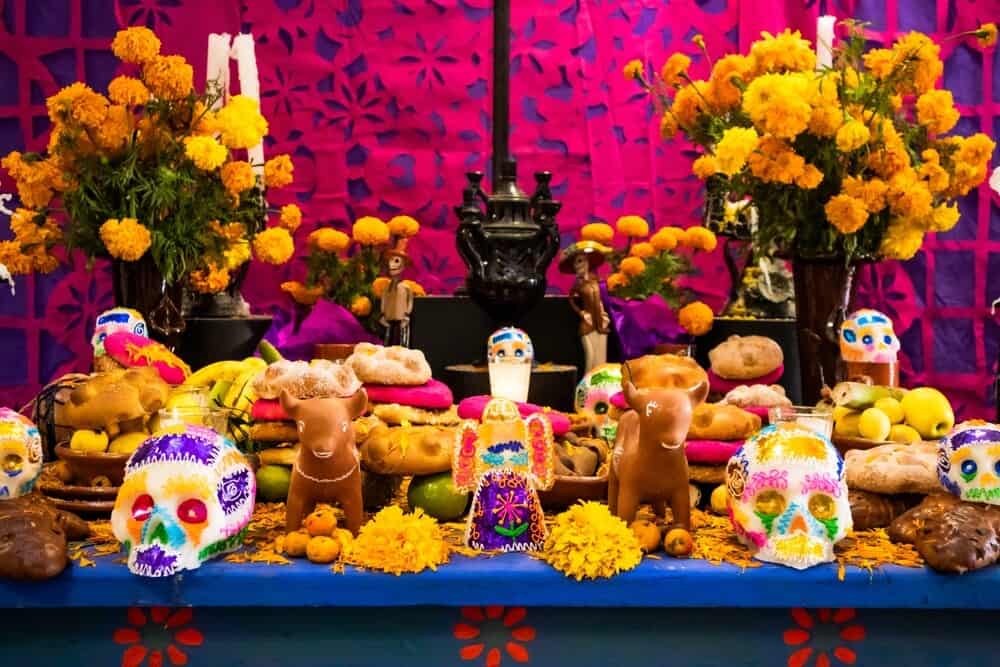
Families from different cultures may include:
- Religious items
- Textiles from their homeland
- Artwork
- Traditional foods
- Letters from family and friends
These displays help the grieving process while honoring cultural identity.
3. Embrace Cultural Diversity in Your Ceremony Elements
Selecting readings, music, attire, or decorative elements that represent your cultural diversity is an impactful way to honor the deceased. Families might include songs from a homeland, recite traditional poems, or incorporate items used in historic funeral rites.
Many families also draw from:
- African-American funeral traditions celebrating resilience and faith
- Irish wakes, where loved ones share memories and offer comfort
- Filipino memorial practices, including influences from the northern Philippines
These elements support a meaningful mourning process.
4. Honor Heritage Through Unique Global Rituals
Across the globe, cultures practice extraordinary rituals that connect the living with those who have passed. One example from South Korea includes colorful gemstone-like beads created from cremated remains (called South Korean burial beads). This practice transforms the deceased’s body into meaningful keepsakes, although this is not a service provided by the Cremation Society of Philadelphia.
Other examples from around the world include:
- Releasing flower petals into a sacred river in Hindu traditions
- A symbolic funeral procession celebrating a person’s life
- Viewing the body as an empty vessel, a belief seen in several cultures
These traditions reflect a deep respect for ancestry and legacy.
5. Blend Cremation With Traditional Funeral Ceremonies
Some families prefer funeral ceremonies before cremation, while others hold a memorial service afterward. Either option can incorporate funeral rituals, prayers, or cultural differences in how families gather and grieve.
Common choices include:
- Viewing or visitation at a funeral home
- Religious leadership guiding funeral services
- Processions, blessings, or special songs
- Traditional readings or chants
These funeral rites allow loved ones to honor their heritage while choosing the simplicity of cremation.
6. Invite Family Members to Participate in Hands-On Rituals
When families gather, hands-on participation helps with the grieving process. Some cultural practices involve washing or dressing the deceased, wrapping them in a fresh cloth, or placing keepsakes inside the cremation container.
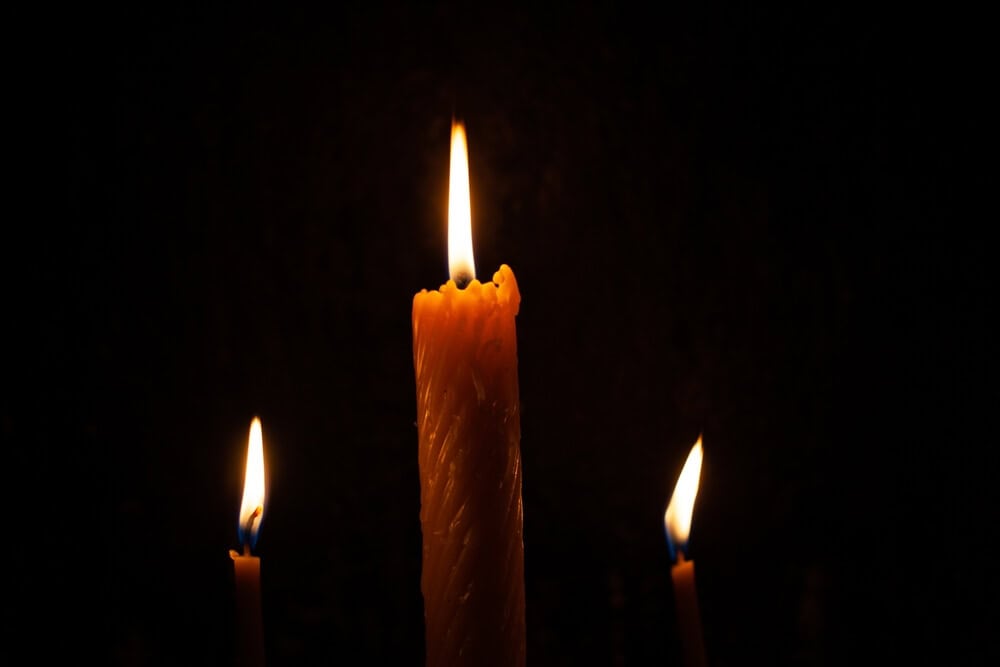
Families may also:
- Light candles
- Offer incense
- Write letters
- Read prayers aloud
- Perform group blessings
When possible, these gestures offer support, comfort, and solace to those mourning.
7. Seek Guidance Through Grief Counseling and Community Support
Honoring heritage isn’t only about rituals, it’s about healing. Some families rely on grief counseling or community groups familiar with their religious customs and funeral traditions. These resources help families find meaning, especially as they navigate diverse cultural differences and modern cremation choices. By blending pre-planning with cultural awareness, families can ensure their wishes are honored long before a loss occurs.
A Compassionate Partner for All Cultures and Traditions
At the Cremation Society of Philadelphia, we understand that families come from diverse cultures, each with its own meaningful rituals, symbols, and beliefs. Whether you prefer a simple cremation, a personalized memorial service, or wish to incorporate global traditions, our caring team is here to guide you with compassion and a deep understanding of what matters most.
We specialize in:
- Affordable, low-cost cremation services
- Simple arrangements
- Prepaid cremation plans
- Support for family members during the mourning process
- Flexible memorial options aligned with the deceased’s heritage
Your heritage, your stories, and your traditions matter. We are honored to help you honor your loved ones in meaningful, culturally respectful ways. Contact us with your pre-planning or immediate-need issues to learn more about our services.

Belinda McLeod has a degree in Secondary Education, specializing in English and Journalism. She began her career as a freelance writer in 2018 since a flexible schedule would allow her to help care for an aging parent. Since then, Belinda has specialized in writing for the funeral industry. Belinda has written for Cake, a funeral-planning website, nursing homes, mausoleum companies, cremation companies, and funeral homes.